Are Solar Panels Safe During Florida Hurricanes?
Florida solar is installed to stringent state wind requirements and permitted accordingly. But nothing is hurricane-proof. Installation quality and permitting decide the outcome.
Last verified:
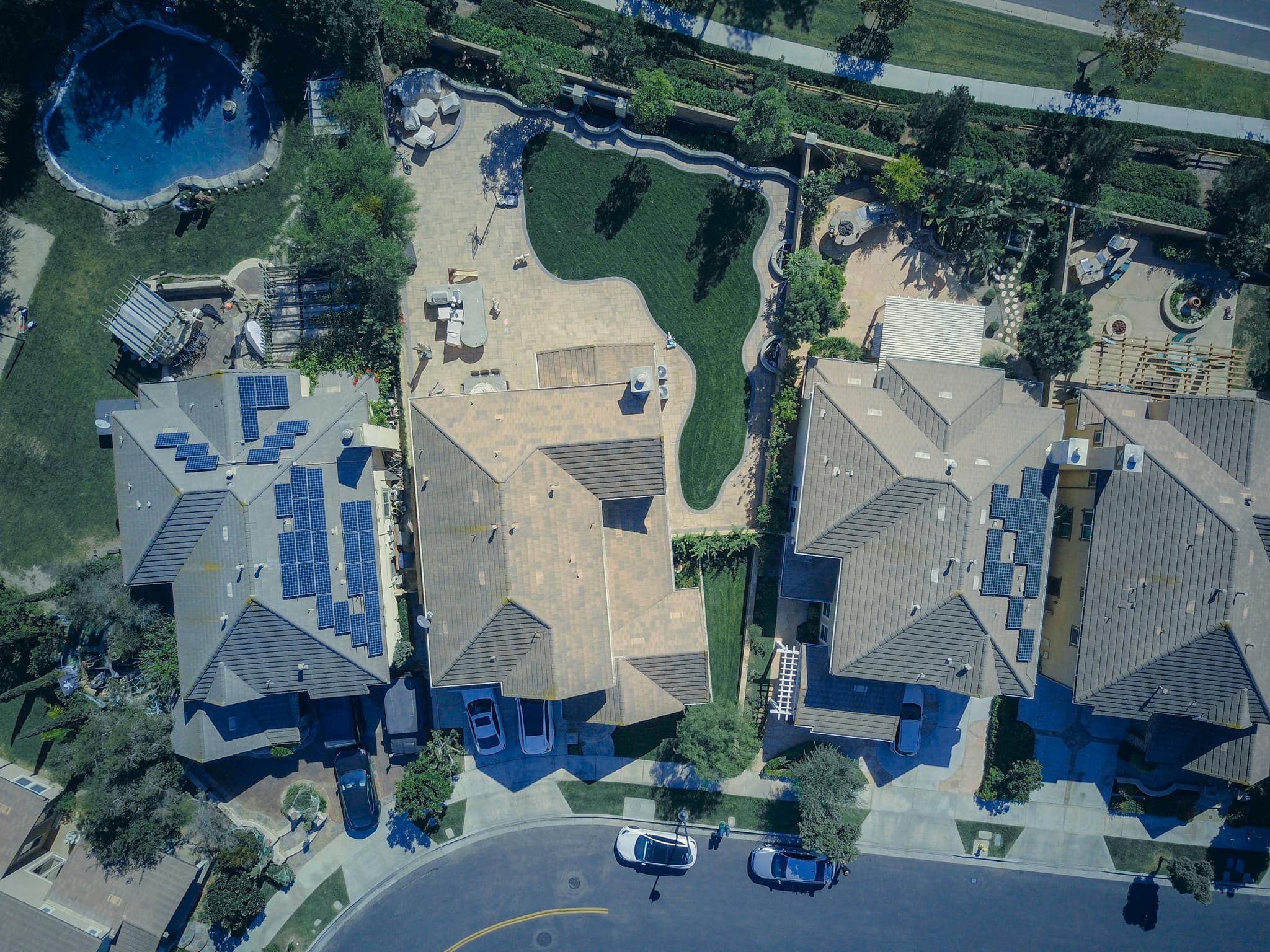
Short answer: Mostly, yes, when the work is done right. Florida solar is installed to the state's wind requirements under the Florida Building Code and permitted accordingly, and those standards are among the most stringent in the country. But no system is guaranteed to survive every storm. The difference between an array that holds and one that fails is almost always installation quality and proper permitting, not the panels themselves.
Florida has hurricanes, so this question deserves a real answer instead of a sales pitch. The short version: well-installed, properly permitted solar has a strong track record in Florida storms. But anyone who tells you a system is hurricane-proof is overselling. Nothing on a roof is.
What the wind standards actually require
Rooftop solar in Florida is engineered and installed to the wind-load requirements of the Florida Building Code, which sets some of the toughest wind standards in the United States. That governs how the array is attached, how many attachment points are used, and how the system is engineered for your specific wind zone. Coastal Southwest Florida sits in a high-wind zone, so systems here are designed for serious wind loads. This is a code and engineering claim, so verify the current requirements with your local building department.
Florida panels are installed to the Florida Building Code wind requirements, which are stringent. But no system is guaranteed to survive every storm. Permitting and installation quality are what carry a system through a hurricane.
Why permitting is not just paperwork
A permit means an engineer sized the attachments for your wind zone and an inspector checked that the crew actually built it that way. That is your protection. A system installed without a permit, or by a crew cutting corners on attachment points, may look identical on day one and behave very differently in a Category 3. The permit is the paper trail proving the array was built to code, not to a deadline.
How a well-mounted array handles wind
Panels sit low and flat against the roof, which is far more wind-friendly than something that catches air like a sail. The load path runs from the panel, through the racking, into the attachment points, and down into the roof structure. Every one of those connections has to be engineered and installed correctly. When they are, the array behaves like part of the roof. When an attachment is undersized or missed, that is where wind finds the weak link.
A realistic example
After major Florida storms, permitted, code-compliant solar arrays have broadly held up well, while failures have tended to trace back to poor installation, missing permits, or damage to the roof itself rather than the panels. Think of it like the roof: a well-built one usually makes it, a poorly built one does not, and the storm exposes which is which. The panels are only as safe as the hands and the permit behind them.
The honest limitations
- No system is hurricane-proof. Extreme wind, flying debris, or a direct hit can damage even a well-built array.
- The roof underneath matters. If the roof fails, the panels go with it, which is another reason roof condition comes first.
- Permitting and inspection are non-negotiable. An unpermitted system is a red flag for both safety and insurance.
- Wind ratings and code requirements change over time and vary by wind zone, so confirm the current standard for your address.
Questions worth asking
- Will my system be engineered and permitted to the Florida Building Code wind requirements for my wind zone?
- How many attachment points will you use, and how are they sized for my address?
- Can you show me the permit and the inspection sign-off when the job is done?
- What does the warranty and my homeowner's insurance cover if a storm damages the array?
• When this might not make sense
We'd rather lose a sale than put you in the wrong solution. Reasons we might tell you to wait or pass:
- —An installer offers to skip the permit to save time or money. That is a reason to walk away, not a shortcut.
- —Your roof is in poor condition, since the array is only as secure as the roof it is attached to.
- —You want an absolute guarantee against storm damage. No installer can honestly promise that; ask about insurance and warranty coverage instead.
Sources
- Florida Building Code and wind-load resources — Florida Building CommissionPrimary
- Florida Department of Business and Professional Regulation — Florida DBPRPrimary
- Solar photovoltaic durability and resilience research — National Renewable Energy LaboratorySecondary
- Homeowner's guide to going solar — U.S. Department of EnergySecondary
Make sure your system is built for Florida wind
We only work with properly permitted, code-compliant installations, and we can pair your solar with battery backup so a storm does not leave you in the dark.