Solar and Your Roof Warranty: The Question Nobody Asks Until It Leaks
Mounting solar means putting holes in your roof — so what happens to your roof warranty, and who's responsible if it leaks? Here's how penetrations, workmanship warranties, and getting the sequence right protect you before there's a stain on the ceiling.
Last verified:
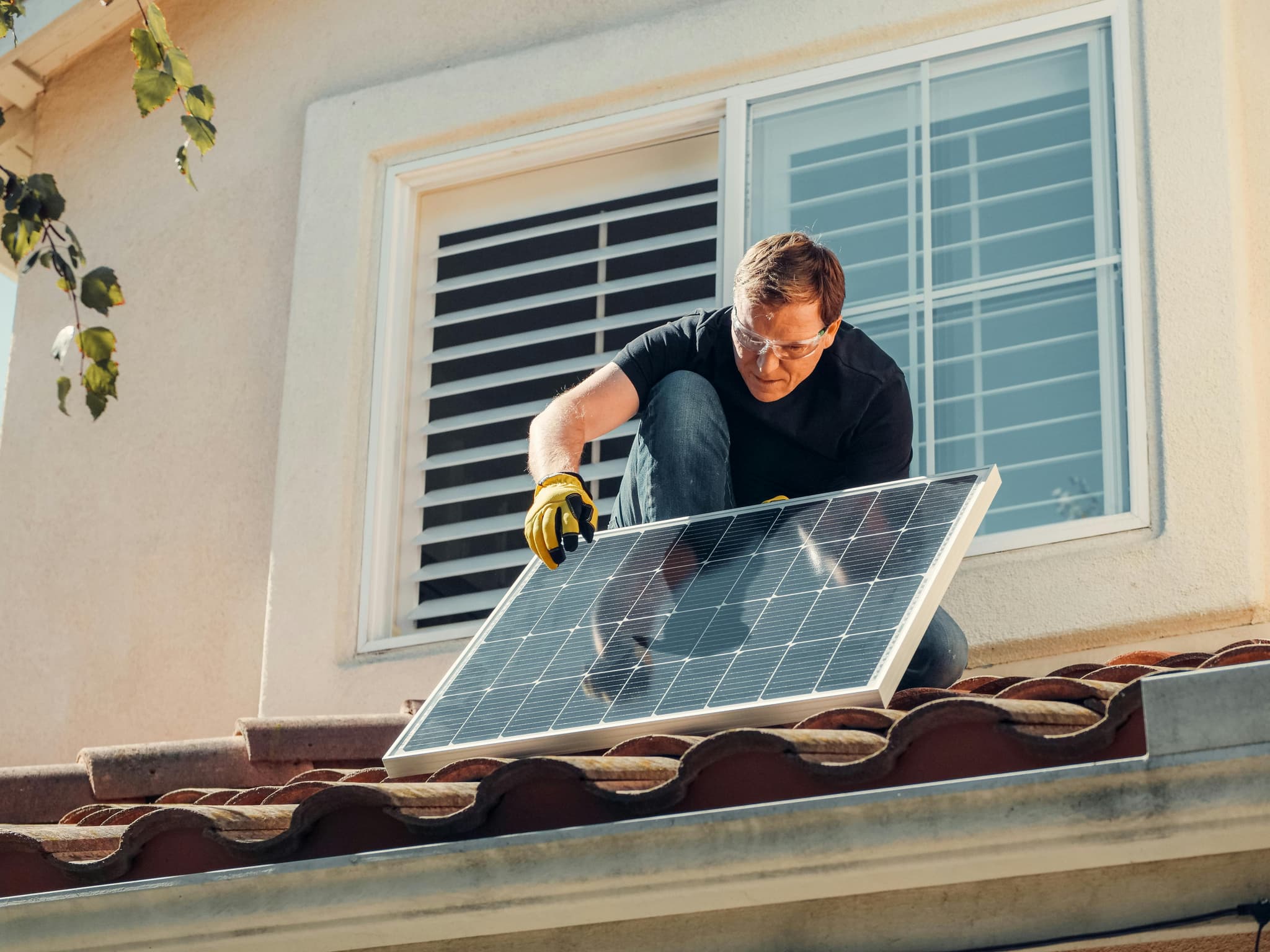
Short answer: Mounting solar puts sealed penetrations in your roof, and that raises two real questions: what happens to your existing roof warranty, and who's on the hook if it leaks. The protection you want is a written installer workmanship warranty covering the penetrations, an installer who assesses your roof's remaining life before quoting, and getting the sequence right — re-roof first if the roof is near end-of-life. Handled that way, penetrations stay watertight and responsibility is clear before there's ever a stain on the ceiling.
Almost nobody asks about their roof warranty during the solar sales pitch. They ask about it later — standing in the guest room, looking up at a water stain, wondering who to call. The whole point of this article is to move that question to before you sign, where it can actually protect you, instead of after the leak, where it's just a fight.
First, the good news: penetrations aren't the enemy
Most rooftop solar attaches with bolts that pass through the roof into the structure below — yes, holes. But roofers have sealed penetrations for as long as roofs have had vents, pipes, and chimneys. A properly installed mount uses flashing that tucks under the tile or shingle above and channels water down and over the penetration, with sealant as a backup, not the main defense. Done right, the area under a mount is often better protected than the bare roof around it. Leaks come from workmanship shortcuts — a missed rafter, flashing installed backward, caulk instead of flashing — not from the existence of the mount.
What happens to your existing roof warranty
Here's the nuance people miss. A roof can carry two different warranties: the manufacturer's warranty on the roofing materials, and the roofer's workmanship warranty on the installation. Mounting solar generally doesn't void the materials warranty on the roof deck away from the array, but penetrations made by a solar installer can affect the roofer's workmanship coverage — and if a leak starts at a mount, you can end up with the solar company and the roofer pointing at each other. The way you avoid that standoff is by making responsibility explicit in writing before anyone drills.
The stain on the ceiling is the worst possible time to discover that nobody's clearly responsible for the mounts. Get the workmanship warranty on the penetrations in writing — length, what's covered, and who to call — before the panels go up.
The protections that actually matter
- A written installer workmanship warranty covering roof penetrations, separate from the panel manufacturer's warranty, with a clear term and a defined process for a leak claim.
- A roof assessment before the quote: a reputable installer checks your roof's age and condition and tells you honestly if it needs work first.
- Clarity on who's responsible: if a leak starts at a mount, the solar installer's workmanship warranty should own it — not a finger-pointing match with your roofer.
- Documentation you keep: install photos, warranty terms, and the roof's condition at install, so there's a record if you ever need it.
Get the sequence right, or pay twice
This is the single biggest roof-and-solar mistake in Southwest Florida, where sun, heat, and storms age roofs faster. Panels commonly last 25-plus years; a tired roof doesn't. If you mount panels on a roof with only a few years left, you'll pay a crew to remove and reinstall the whole array when the roof needs replacing — typically into the low thousands of dollars, on top of the roof itself. The fix is sequencing: if your roof is near end-of-life, re-roof first, then install on a fresh roof so both age together. Do it in that order and you pay the labor once, not twice — and some installers bundle roofing and solar so one company owns the whole job and the warranty.
Whether you're adding solar to a solid roof or deciding if a re-roof should come first, the honest move is to get your roof's real remaining life assessed before you spend a dollar. We'll look at your roof's age, type, and condition and tell you straight whether to go solar now or handle the roof first — see /roofing-solar. And if you already have solar and suspect a mount is the source of a leak, that's a diagnosis worth getting promptly rather than watching the stain grow.
Questions worth asking
- What workmanship warranty covers the roof penetrations, for how long, and who do I call for a leak?
- Will you assess my roof's age and condition and put your findings in writing before installing?
- If a leak starts at a mount, who is responsible — you or my roofer?
- Given my roof's remaining life, should I re-roof before going solar?
• When this might not make sense
We'd rather lose a sale than put you in the wrong solution. Reasons we might tell you to wait or pass:
- —Your roof is near end-of-life and you'd mount panels on it now rather than re-roofing first — setting up a costly mid-life removal
- —The installer won't put a workmanship warranty on the roof penetrations in writing
- —No one will clearly own leak responsibility, leaving you between the solar company and the roofer
- —The roof has existing leaks or damage that should be fixed before anything is mounted on top
Sources
- Homeowner's guide to going solar (roofing considerations) — U.S. Department of EnergySecondary
- Florida Building Code resources — Florida Building CommissionPrimary
- Solar photovoltaic installation and roof research — National Renewable Energy LaboratorySecondary
Get a straight read on your roof before you add solar.
We'll assess your roof's age, type, and condition and tell you honestly whether to go solar now or re-roof first — so you pay the labor once and responsibility stays clear.