What Happens to a Solar Lease When You Sell Your House?
Owned solar usually adds value and transfers with the deed. A leased system becomes a negotiation — the buyer has to qualify and assume the contract. Here's how each plays out at closing in Florida.
Last verified:
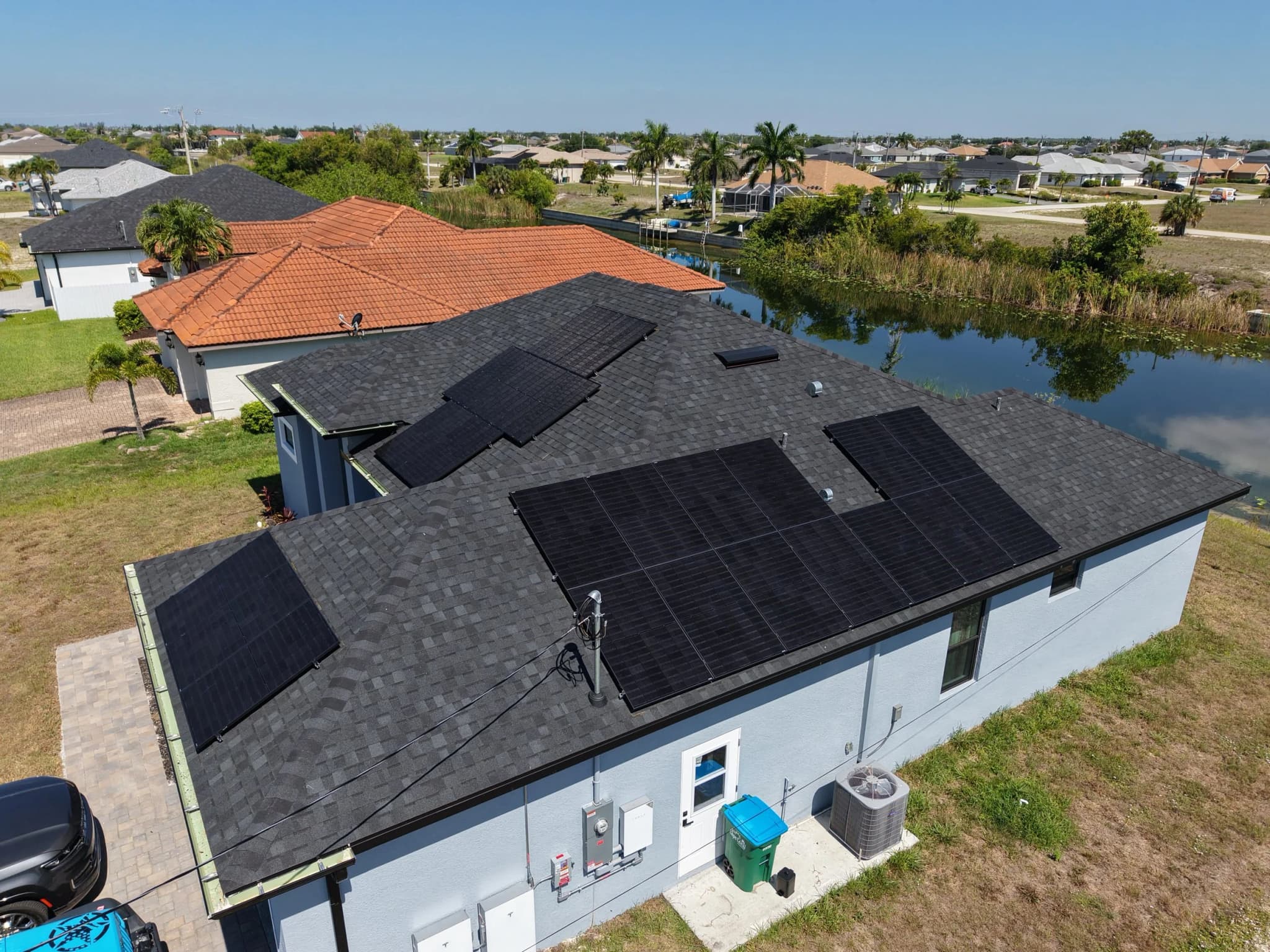
Short answer: It depends entirely on whether you own the system or lease it. If you own it (cash or loan paid off), the panels are your property and generally convey with the house — and in Florida the added value is excluded from your property-tax assessment. If you lease it or have a PPA, the contract doesn't just disappear at closing: your buyer usually has to qualify with the finance company and assume the remaining term, you have to buy out the lease, or the deal stalls until someone does one of those.
Why this question matters before you sign, not after
Most people ask about resale years into a contract, when their options are already narrow. The time to understand it is before you sign. Ownership structure decided on day one is what determines whether solar helps or complicates your sale on day 3,000.
If you own the system
Owned panels are a fixture of the home, like a renovated kitchen or a new roof. They generally convey to the buyer at closing with no third party to satisfy. Multiple studies have found buyers pay a premium for homes with owned solar, though the exact figure varies by market, system age, and how the value is documented for the appraiser.
Florida adds a specific advantage. Under Florida Statute 193.624, the added value a residential renewable-energy system contributes to your home is 100% excluded from your property-tax assessment. So the system can raise what a buyer will pay without raising the taxable value — a genuine edge over owned solar in states that tax the added value.
Owned solar is an asset that transfers with the deed. Leased solar is a contract the buyer has to be willing to inherit. That is the whole difference at resale.
If you lease or have a PPA
With a lease or power-purchase agreement, a third party owns the equipment on your roof. When you sell, that contract has to be resolved. In practice there are three paths: the buyer qualifies with the finance company and assumes the remaining payments; you pay the lease off with a buyout (often thousands of dollars, and sometimes more than the system is worth to a buyer); or you prepay the balance and transfer it clean. Each path adds friction, and a buyer who doesn't want the panels or can't qualify can slow or sink the sale.
A concrete example
Say you're 8 years into a 25-year lease with a 2.9% annual escalator. Your payment started at $120/month and is now closer to $150. A prospective buyer looks at 17 more years of rising payments and either wants a price concession to take it on, needs to pass the leasing company's credit check, or asks you to buy it out before closing. None of that is fatal, but all of it is negotiation you wouldn't have with an owned, paid-off system.
How to protect yourself either way
If you lease, keep the transfer terms and buyout schedule from your contract somewhere you can find them, and read exactly what the finance company requires of a buyer. If you own, keep your install paperwork, warranties, and production records — an appraiser and a buyer both want proof the system works and what it's worth.
Questions worth asking
- Is this an owned system or a lease/PPA?
- If it's a lease, what exactly does a future buyer have to do to assume it?
- What is the buyout schedule year by year?
- Will you put the transfer terms in writing before I sign?
• When this might not make sense
We'd rather lose a sale than put you in the wrong solution. Reasons we might tell you to wait or pass:
- —You expect to move within a few years and want the cleanest possible sale — a long lease adds friction an owned or paid-off system doesn't
- —You can't locate your lease's transfer and buyout terms and the salesperson won't put them in writing
- —The projected buyout looks larger than the value a buyer would assign to an aging system
Sources
- Fla. Stat. 193.624 (renewable energy property-tax exclusion) — Florida Legislature (2023)Primary
- Solar Lease & Leasing Guide: Pros and Cons — PalmettoSecondary
- Buying or selling a home with solar — CFPBSecondary
Planning to sell someday? Decide with that in mind.
We'll model owned vs. leased on your real usage and timeline — including what each one does to a future sale — so you sign with eyes open.