FPL Solar and Net Metering: What Homeowners Should Know
How FPL net metering works under Florida's PSC rule, what the 2025 rate settlement means, and how exported solar is credited. Sourced, no hype.
Last verified:
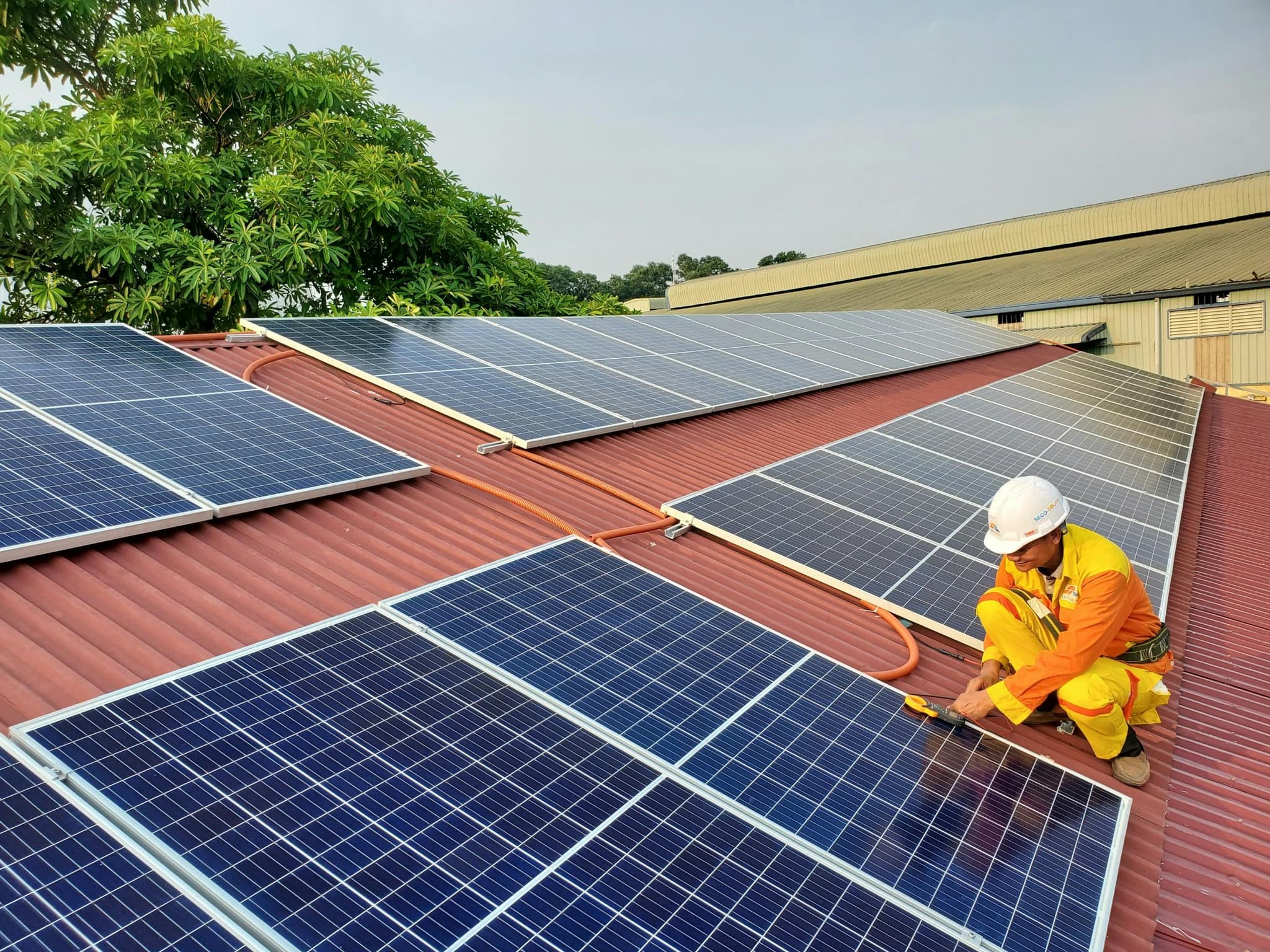
Short answer: FPL offers full retail (1-to-1) net metering for residential rooftop solar under Florida PSC Rule 25-6.065: your exported kWh are credited at essentially retail value and roll month to month, with a year-end true-up for any surplus at a lower rate. A 2022 bill to roll this back was vetoed, and full retail net metering remains in effect in 2026.
How FPL net metering works
As an investor-owned utility, FPL follows Florida Public Service Commission Rule 25-6.065. When your panels produce more than you use, the excess kilowatt-hours are credited against your consumption at essentially full retail value and carried forward month to month. Any surplus left at the annual true-up is paid out at a lower avoided-cost rate. FPL installs the required meter at no cost to you.
A 2022 bill (HB 741) would have phased net metering down to wholesale rates. Governor DeSantis vetoed it on April 27, 2022, and full retail net metering remains in effect as of 2026.
What the 2025 rate settlement means
In November 2025, the Florida PSC approved a four-year FPL rate settlement covering 2026–2029. Reported base-rate increases were roughly $945 million in 2026 and $705 million in 2027, with additional costs tied to solar and battery projects later in the period. FPL says a typical 1,000 kWh residential bill is about $136.64 under January 2026 rates, with a scheduled step-down in September 2026 from a fuel true-up. Critics peg the multi-year package at around $6.9–7 billion.
You'll see the phrase 'largest rate increase' in headlines. 'Largest in FPL's history' is a defensible nominal-dollar statement; the stronger 'largest in U.S. history' framing comes from an advocacy group and shouldn't be treated as established fact. Either way, the direction of rates is what matters for your decision.
Florida's other solar benefits
Separate from net metering, Florida exempts solar equipment from state sales tax and excludes 100% of the added home value from residential property-tax assessment. These state benefits are unaffected by the federal tax-credit change.
Questions worth asking
- Does this proposal use FPL's current net-metering terms?
- How is my year-end surplus treated?
- Is the system sized to my annual usage?
• When this might not make sense
We'd rather lose a sale than put you in the wrong solution. Reasons we might tell you to wait or pass:
- —A quote that assumes net-metering rules that don't match FPL's current tariff
- —Projected 'sell-back income' rather than offsetting your own usage
- —A system oversized well beyond your annual consumption
Sources
- FPL Rates and Your Bill — FPL (2026)Primary
- Florida regulators approve FPL rate agreement — FPL Newsroom (Nov 2025)Primary
- Net metering in Florida — Solar United NeighborsSecondary
Want to know if this applies to your house?
Upload a recent electric bill and we'll compare your options on your actual usage. No pressure.